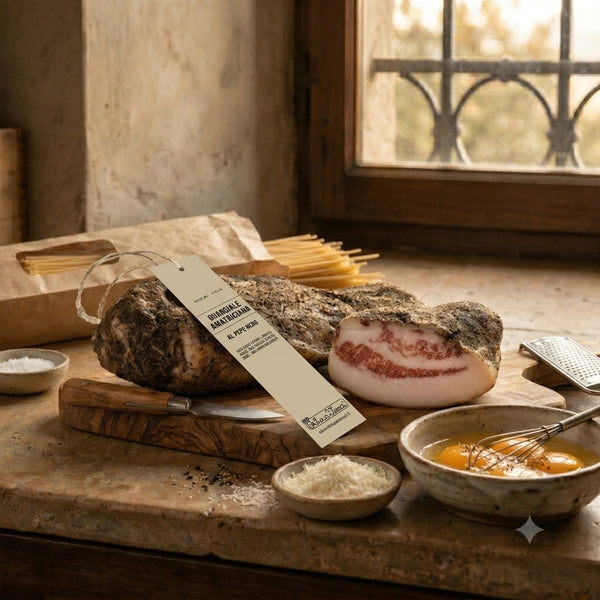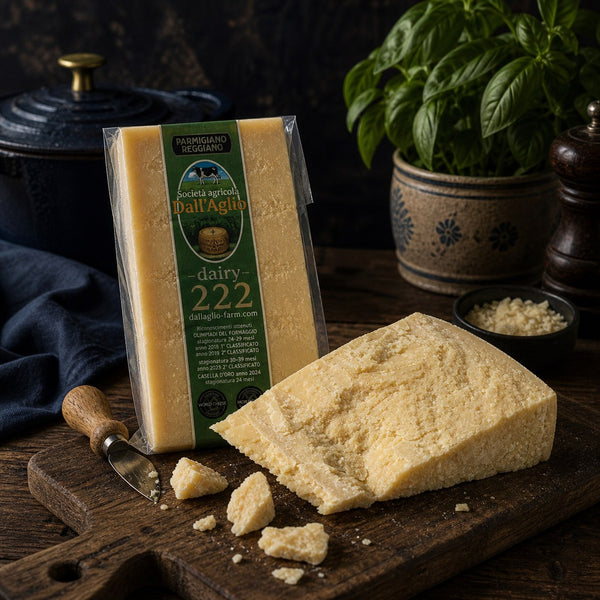

Brussels sprouts and cured pork is one of the old, reliable marriages of the winter kitchen, and guanciale elevates it beyond the familiar bacon version. The sprouts roast or sear until their edges char and their hearts turn sweet, then meet the deep, aromatic fat of slowly rendered pork cheek and its crisp golden pieces. It is a side dish that routinely upstages the roast it accompanies, and at Christmas it converts sprout sceptics with unreasonable efficiency.
The method below chars the sprouts in a pan using the guanciale fat itself, so the vegetable cooks in the flavour of the cure. A sharpening splash of vinegar at the end keeps the richness in check.
Why the guanciale matters
Bacon dominates sprouts with smoke; guanciale flatters them. The rendered cheek fat is sweet, silky and clean, letting the nuttiness of the charred sprouts stay in front while seasoning them from within. The crisp batons then do what croutons do for a salad: texture, salt, and punctuation. It is a small change of ingredient and a complete change of register.
Ingredients
- 600g Brussels sprouts, trimmed and halved
- 150g guanciale, cut into batons
- 1 tablespoon balsamic vinegar or a squeeze of lemon
- Freshly ground black pepper
- 30g Parmigiano Reggiano, shaved, optional but excellent
- Salt, only after tasting
Equipment
- A large, heavy frying pan or cast-iron skillet with a lid
- A slotted spoon
Method
- Render the guanciale. Start the batons in a cold, dry pan over medium heat and render slowly until deep gold and crisp, 8 to 10 minutes. Lift the pieces out, leaving all the fat.
- Char the sprouts. Place the halved sprouts cut-side down in the hot fat in a single layer. Leave them alone for 4 to 5 minutes until the cut faces are deeply browned, almost charred.
- Steam them tender. Add two tablespoons of water, cover, and cook 3 to 4 minutes more until just tender at the heart but still with bite.
- Finish. Uncover, toss with the vinegar and a heavy grind of pepper, fold the crisp guanciale back through, and finish with shaved Parmigiano if using. Taste before salting; the pork and cheese usually carry it.
Chef's notes and common mistakes
- Do not crowd the pan. Sprouts in a heap steam grey instead of charring. Work in two batches if needed; the colour is the flavour.
- Cut-side down, then patience. The deep browning on the flat face is where the sweetness comes from. Resist stirring.
- The acid is not optional. A spoonful of balsamic or lemon at the end cuts the fat and wakes the whole dish up.
- Keep the guanciale out of the steam. It returns only at the end, so it stays crisp.
Variations
Roast rather than pan-char if the hob is full: toss the sprouts in a little of the rendered fat and roast at 220C for 20 to 25 minutes, adding the crisp guanciale after. A teaspoon of honey with the vinegar makes an agrodolce version that is very hard to stop eating. Chestnuts, torn in at the end, make it Christmas.
Make ahead and storage
You can render the guanciale and trim the sprouts a day ahead, keeping both refrigerated (the fat at room temperature for an hour before cooking). The finished dish is best straight from the pan, though leftovers reheat respectably in a hot dry pan the next day.
Serving and pairing
Beside a roast chicken, a pork loin, or the Christmas bird, this is the side that disappears first. It also makes a fine autumn lunch on its own with burrata and good bread. If wine is called for, something with acidity and no oak: a dry Riesling or a young Chianti both work.