
There is a moment in late spring, when broad beans are at their sweetest and most tender, that this little crostini comes into its own. It is the kind of dish that belongs to no grand tradition and needs none. A spoonful of bright green purée on good toasted bread, a scattering of crisp pork, a few curls of hard cheese: simple food, assembled with care, that tastes of more than the sum of its parts.
What makes it sing is contrast. The purée is cool, creamy, and grassy; the guanciale is hot, crisp, and deeply savoury; the bread is sturdy beneath both. Get those three textures right and you have an antipasto that quietly outshines far more complicated things.
Why the guanciale matters
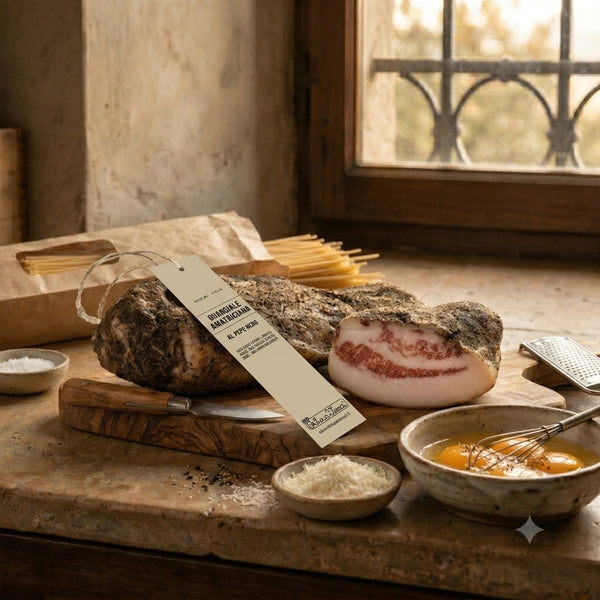
Guanciale is cured pork cheek, and here it does the work that no other ingredient can. Rendered slowly from cold, it crisps to a brittle gold while releasing a fat far more aromatic and concentrated than that of pancetta or bacon. That fat is not a by-product to discard; it is the seasoning that ties the dish together, and a little drizzled over the finished crostini lends a depth the beans cannot give on their own. Choose a well-cured cheek with a clean, sweet aroma and firm, ivory fat, and let it set the tone for everything else.
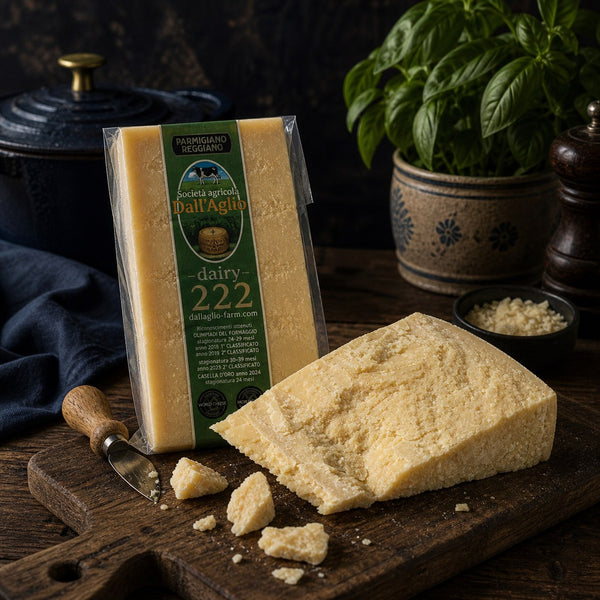
The Parmigiano Reggiano plays the counterweight. Shaved thin so it almost melts against the warm topping, its nutty, faintly crystalline bite cuts through the richness of the pork and lifts the sweetness of the beans. Use a properly aged wedge and shave it to order; pre-grated cheese will never give you the same delicate sheets or the same depth.
Ingredients
- 200g fresh broad beans, shelled
- 120g guanciale, cut into cubes or thick matchsticks
- 1 tablespoon extra virgin olive oil
- A few fresh mint leaves
- 50g Parmigiano Reggiano, shaved
- 8 slices rustic country bread
- Salt and freshly ground black pepper, to taste
A note on quantities: this makes a generous antipasto for four to six. The recipe scales cleanly, so simply hold the proportions and adjust to the crowd. Frozen broad beans work well out of season, and if you cannot find broad beans at all, peas make a sweeter but equally lovely purée.
Equipment
- A saucepan for blanching the beans
- A bowl of iced water for refreshing them
- A blender or food processor
- A frying pan or skillet
- A slotted spoon and kitchen paper
- A griddle pan or toaster for the bread, and a vegetable peeler for shaving the cheese
Method
- Blanch the beans. Bring a pan of salted water to the boil and cook the shelled broad beans for two to three minutes, until tender and bright green. Drain and refresh at once in cold water. This fixes the colour and stops the cooking before the beans turn dull and starchy. For a smoother purée, slip off the leathery outer skins once the beans are cool.
- Make the purée. Transfer the beans to a blender with the olive oil, mint, a pinch of salt, and a grind of black pepper. Blend until smooth and creamy, loosening with a splash of water if needed. Taste and adjust so the freshness of the mint and the sweetness of the beans stay in balance.
- Render the guanciale. Place the pieces in a cold frying pan and bring it slowly up to a low to medium heat. Rendering gradually crisps the guanciale to gold while keeping it from scorching. Lift it out with a slotted spoon onto kitchen paper, and keep the rendered fat: a light drizzle over the finished crostini adds real depth.
- Toast the bread. Toast the slices until golden outside but still slightly tender within. The bread must be sturdy enough to carry the topping without turning hard and brittle under it.
- Assemble and serve. Spread a generous layer of purée over each slice, top with the warm crispy guanciale, and finish with shavings of Parmigiano Reggiano. Serve immediately, while the cool purée and the hot, crisp pork are still in contrast. The moment is brief, so plate and bring them straight to the table.
Chef's notes and common mistakes
- Refresh the beans the instant they are tender. A few seconds too long in the hot water and you lose the bright green; the iced water is what keeps the purée vivid.
- Start the guanciale in a cold pan. A hot pan sears the outside before the fat renders, leaving the pieces greasy rather than crisp. Patience and a gentle heat are everything.
- Season the purée lightly. The guanciale and the Parmigiano both bring salt, so taste the whole crostini in your mind before you salt the beans heavily.
- Assemble at the last minute. Purée spread too early soaks into the toast and softens it. Have every component ready, then build the crostini just before serving.
Variations
The template is forgiving. Peas can stand in for broad beans entirely, or join them for a sweeter, brighter purée. A little grated lemon zest or a squeeze of juice sharpens the beans beautifully, and a few leaves of basil in place of the mint take the dish in a softer, more rounded direction. For a vegetarian version, omit the guanciale and finish with toasted pine nuts and a heavier drizzle of good olive oil, though you will miss the savoury crunch that makes the original what it is.
Make ahead and storage
The purée can be made up to a day ahead and kept covered in the refrigerator; press a little olive oil over the surface to hold its colour, and stir before using. The guanciale is best rendered fresh, but can be crisped a few hours in advance and warmed briefly before serving. Toast the bread and assemble only at the last moment, as a built crostini does not keep: the bread softens and the textures that define the dish are lost within minutes.
Serving and pairing
Serve these as an antipasto or alongside drinks before a meal, perhaps with a few more crostini bearing other toppings for variety. A glass of crisp, dry Italian white sits perfectly against the richness of the guanciale: a Vermentino or a Soave, well chilled, or a glass of dry Prosecco if the occasion calls for bubbles. A light, herbal aperitivo works just as happily for those who would rather not reach for wine.