
Pork tenderloin is the quiet hero of the weeknight kitchen: lean, quick-cooking, and forgiving if you treat it right. Seared hard for colour, roasted briefly to keep it juicy, and finished with a glossy thread of aged balsamic, it becomes something that feels far more special than the half hour it takes. The classic mistake is to boil a cheap balsamic into a sticky, over-sweet reduction. With a traditional aged balsamic you skip that entirely, because the vinegar is already a glaze straight from the bottle.
The two things that matter are heat and rest. A proper sear needs a hot pan and a dry surface, and the meat needs to rest before slicing so the juices settle rather than run out. Do those and even lean tenderloin stays pink and tender.
Why the balsamic matters
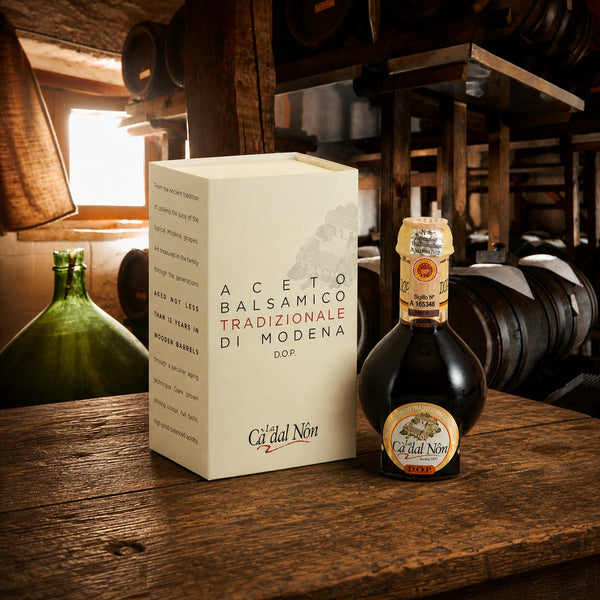
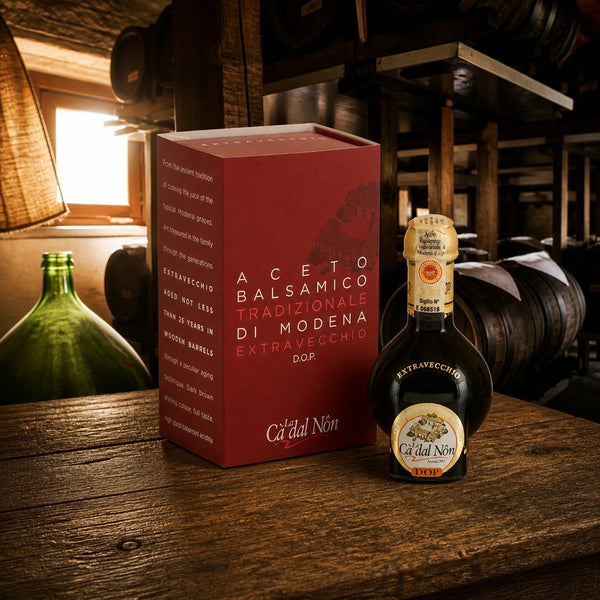
A traditional aged balsamic clings to the pork without any cooking, glossing each slice with a sweet-savoury depth that a reduction of cheap vinegar can only imitate, and usually overshoots into cloying. Because the balsamic goes on off the heat at the very end, it keeps all its fig and molasses complexity rather than caramelising into flat sweetness. Use the twelve-year to glaze the sliced meat generously, and a few drops of an older bottle over the plate to finish.
Ingredients
- 1 pork tenderloin (about 500g), trimmed of silverskin
- 2 tablespoons aged balsamic vinegar, plus a little extra-aged to finish
- 1 tablespoon olive oil
- 2 cloves garlic, crushed
- 2 sprigs rosemary
- Salt and freshly ground black pepper
Equipment
- An ovenproof frying pan
- A meat thermometer, ideally
Method
- Heat the oven. Set it to 200C (fan 180C). Pat the tenderloin dry and season all over with salt and pepper.
- Sear. Heat the oil in an ovenproof pan over high heat and sear the pork on all sides until deeply browned, about 5 minutes total. Add the garlic and rosemary for the last minute.
- Roast. Transfer the pan to the oven and roast for 12 to 15 minutes, until the thickest part reads 62C for juicy, slightly pink meat. It will rise a few degrees as it rests.
- Rest, then glaze. Move the pork to a board and rest for 5 to 8 minutes. Slice into medallions, spoon the aged balsamic over so it pools and clings, finish with a few drops of the older bottle, and serve with the pan juices.
Chef's notes and common mistakes
- Do not overcook it. Tenderloin is lean and dries out fast. Pull it at 62C and let carryover finish the job; a thermometer is the single best investment here.
- Rest before slicing. Cutting straight away spills the juices onto the board. Five minutes of rest keeps them in the meat.
- Balsamic at the end. Add it off the heat, after slicing. Cooked into the pan it burns and turns bitter; drizzled at the finish it stays glossy and complex.
- Trim the silverskin. The silvery membrane is tough and shrinks in the heat. Slide a knife under it and remove it before cooking.
Variations
A teaspoon of honey or Dijon rubbed on before searing gives a stickier, sweeter finish. Swap rosemary for thyme or sage, and add a pinch of chilli for heat. The same method works with pork chops or a chicken breast. Roast halved shallots or plums alongside the pork and they soften into the balsamic-rich juices.
Make ahead and storage
The pork is best cooked to order, but leftovers are excellent: keep sliced medallions covered in the fridge for up to three days and eat them cold in salads or sandwiches, or warm gently to avoid drying them. Add fresh balsamic to leftovers rather than relying on yesterday's glaze. It does not freeze especially well once cooked.
Serving and pairing
Serve the medallions over creamy polenta, mashed potato, or with roasted vegetables that can catch the balsamic-glossed juices, and a sharp green salad to cut the richness. A medium-bodied Italian red such as Sangiovese or a young Chianti stands up to both the pork and the sweet-sharp glaze. It is an easy dish to scale up for guests, since almost all of it is hands-off in the oven.