
A good steak needs almost nothing, and a thread of aged balsamic is one of the few additions that genuinely improves it. The dark, sweet-sharp vinegar cuts through the richness of the beef and gilds the crust the way a squeeze of lemon lifts fish. The trick, as with the salmon and the pork, is to forget the sticky reduction most recipes call for. A traditional aged balsamic is already a glaze in the bottle, so you drizzle it over the rested, sliced steak and let it do its work without ever touching the heat.
Everything else about this dish is just steak done properly: a dry surface, a screaming-hot pan, a confident sear, and a proper rest. Get those right and the balsamic is the final, effortless flourish.
Why the balsamic matters
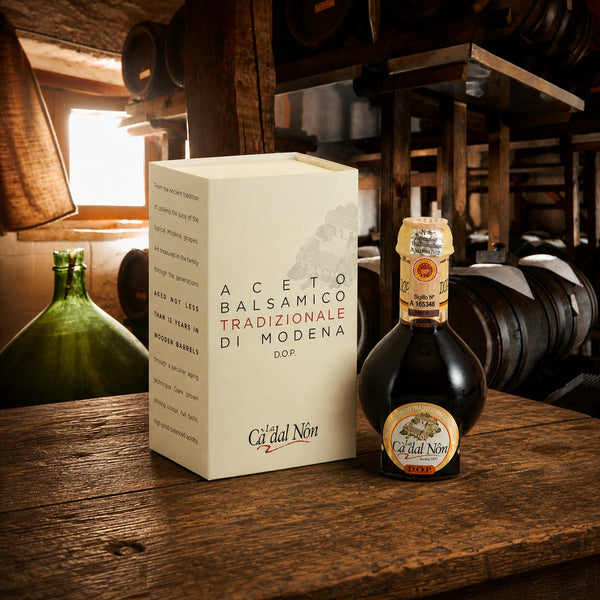
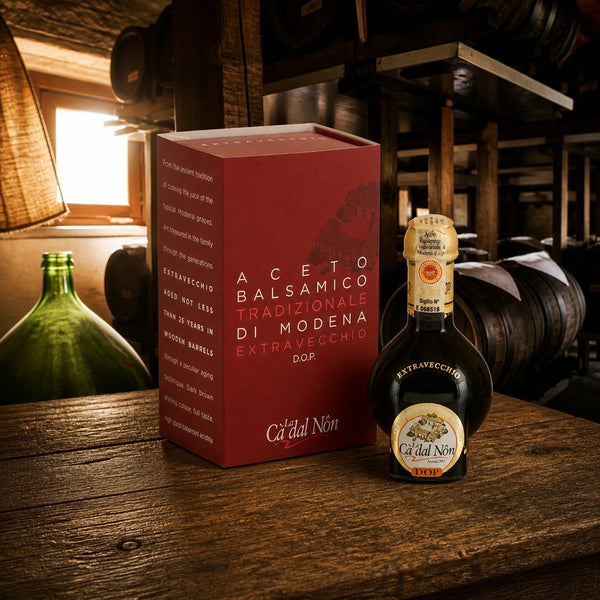
Beef is rich and savoury, and a traditional aged balsamic answers it with sweetness and acidity in perfect proportion, cutting the fat and deepening the meaty flavour. Because it is syrupy straight from the bottle, it glazes the sliced steak with no reducing, no sugar, and no risk of the bitter, scorched edge a boiled-down cheap balsamic develops. Use the twelve-year to finish the steak generously, and a few drops of an older bottle over the plate for a last note of concentration.
Ingredients
- 2 steaks (ribeye, sirloin or fillet), about 3cm thick, at room temperature
- 2 tablespoons aged balsamic vinegar, plus a little extra-aged to finish
- 1 tablespoon olive oil
- A knob of butter
- 2 cloves garlic, crushed
- 2 sprigs rosemary or thyme
- Flaky sea salt and freshly ground black pepper
Equipment
- A heavy frying pan or cast-iron skillet
- Tongs
Method
- Prepare the steaks. Take them out of the fridge 30 minutes ahead, pat completely dry, and season generously with salt and pepper. A dry, room-temperature steak sears far better than a cold, damp one.
- Sear hard. Heat the oil in a heavy pan until almost smoking. Lay the steaks in and leave them undisturbed for 2 to 3 minutes a side, until a deep brown crust forms.
- Baste. Add the butter, garlic and rosemary, tilt the pan, and spoon the foaming butter over the steaks for a final minute. Cook to your liking: for medium-rare, aim for 52C internal.
- Rest, then glaze. Rest the steaks on a warm plate for 5 minutes. Slice against the grain, spoon over the aged balsamic and the buttery pan juices, finish with a few drops of the older bottle and a last grind of pepper, and serve.
Chef's notes and common mistakes
- Dry and room temperature. Moisture is the enemy of a crust, and a cold centre cooks unevenly. Pat dry and let the steaks lose their chill before they hit the pan.
- Do not crowd or fidget. Sear one or two steaks at a time and leave them alone so they brown. Moving them too soon stops the crust forming.
- Rest before slicing. Five minutes lets the juices settle. Cut too soon and they run out onto the board, taking the flavour with them.
- Balsamic off the heat. Drizzle it over the sliced, rested steak. Cooked in the pan it burns; finished at the end it stays glossy and bright.
Variations
A little Dijon or horseradish alongside suits the balsamic beautifully. Add halved cherry tomatoes or sliced mushrooms to the pan after searing and let them soften in the buttery, balsamic-rich juices. The same finish works on lamb chops or a thick pork chop. For a steak salad, slice the rested beef over rocket, shave Parmigiano, and dress the whole plate with the balsamic and pan juices.
Make ahead and storage
Steak is a dish for the moment and does not benefit from being cooked ahead. Leftover slices, though, are excellent cold in a salad or sandwich the next day; keep them covered in the fridge for up to two days and add fresh balsamic rather than reheating, which overcooks the meat. Bring leftovers to room temperature before eating for the best flavour and texture.
Serving and pairing
Serve the sliced steak with something to catch the balsamic and butter: chips, mashed potato, or grilled vegetables, and a peppery green salad. A full-bodied Italian red such as a Chianti Classico, Barolo, or Montepulciano d'Abruzzo matches the richness of the beef and the sweet-sharp glaze. It is a quick, generous dish that feels like an occasion for very little work.