
Carpaccio was invented in 1950 at Harry's Bar in Venice, named for a painter famous for his deep reds, and it remains one of the most elegant things you can put in front of a guest: wafer-thin slices of raw beef fillet, dressed simply and eaten cold. The original was finished with a pale mustard sauce, but the version most people love now leans Italian, with good olive oil, aged balsamic, peppery rocket, and shavings of Parmigiano. It looks like restaurant food and is, in truth, almost entirely about shopping and a sharp knife.
Because the beef is raw, freshness and quality are everything. Buy a good piece of fillet from a butcher you trust, tell them it is for carpaccio, and keep everything very cold. The rest is slicing thinly, which a spell in the freezer makes surprisingly easy.
Why the balsamic matters
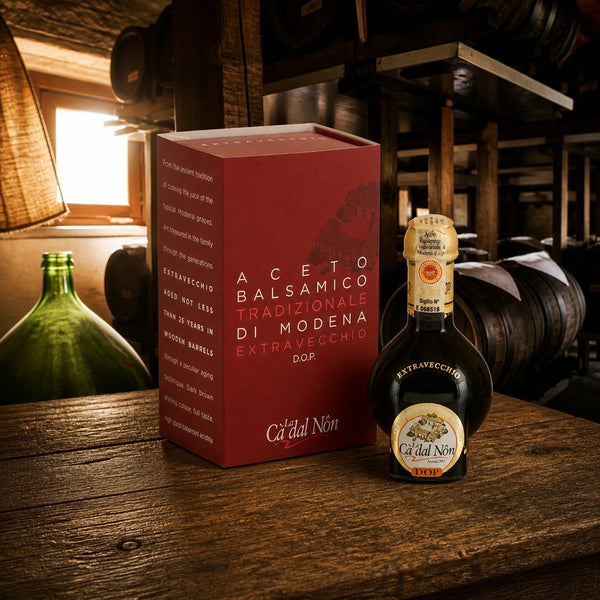
Raw beef is rich and mild, and it wants a note of sharp sweetness to wake it up. A traditional aged balsamic does exactly that: its dark, syrupy acidity cuts the fat and lifts the meat, while its sweetness flatters the salty Parmigiano. Drizzled straight from the bottle, never cooked, it brings a depth that a squeeze of lemon alone cannot. With so few ingredients, the quality of the balsamic is a large part of the flavour of the dish.
Ingredients
- 300g beef fillet, in one piece, very fresh
- Aged balsamic vinegar, to finish
- Extra virgin olive oil, the best you have
- A handful of rocket
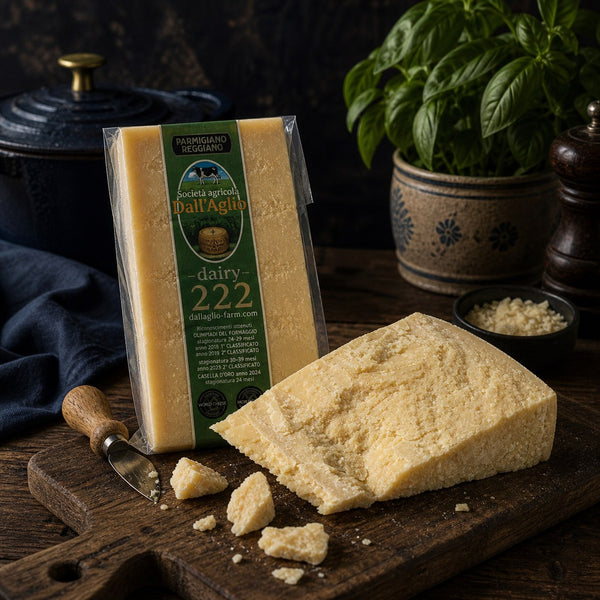
- A piece of Parmigiano Reggiano, for shaving
- 1 lemon, optional
- Flaky sea salt and freshly ground black pepper
Equipment
- A very sharp knife
- Cling film and a rolling pin or meat mallet, optional
- A vegetable peeler for the Parmigiano
Method
- Firm the beef. Wrap the fillet tightly in cling film and freeze for 30 to 45 minutes, until firm but not frozen solid. This makes it far easier to slice thinly.
- Slice thin. With a very sharp knife, cut the beef into the thinnest possible slices. For paper-thin results, lay each slice between two sheets of cling film and gently flatten with a rolling pin.
- Arrange. Lay the slices in a single layer to cover a chilled plate, edges just overlapping. Season with flaky salt and black pepper.
- Dress and finish. Drizzle generously with olive oil and thread over the aged balsamic. Pile a little rocket in the centre, shave over the Parmigiano, add a squeeze of lemon if using, and serve at once.
Chef's notes and common mistakes
- Freeze to slice. A firm, part-frozen fillet slices cleanly and thinly; a soft one tears. Thirty to forty-five minutes is the sweet spot.
- Buy the freshest beef. This is raw meat, so quality and freshness are non-negotiable. Use it the day you buy it, and keep it cold throughout.
- Dress just before serving. The acid of the balsamic and lemon slowly cooks and greys the beef. Assemble and dress at the last minute so it stays red.
- Season the meat, not just the top. Salt and pepper go directly on the beef; the oil and balsamic go over the top.
Variations
Swap the rocket for watercress or baby leaves, and the balsamic-and-Parmigiano finish for the classic Venetian mustard-mayonnaise drizzle. Capers, shaved fennel, or a scatter of toasted pine nuts all belong. For a modern touch, a few drops of an extra-aged balsamic and a grating of horseradish lift it further. The same treatment works with very fresh tuna or venison.
Make ahead and storage
You can slice and layer the beef between sheets of cling film a few hours ahead and keep it flat in the fridge, but dress it only at the moment of serving so it stays red and fresh. Carpaccio does not keep once dressed, and raw beef should always be eaten the day it is bought. There are, happily, rarely leftovers.
Serving and pairing
Serve carpaccio as a refined starter, one plate shared or one each, with good bread and a glass of cold white or a light red. A crisp Pinot Grigio or a young Barbera both suit the rich beef and sharp balsamic. It is a dish that looks like considerable effort and is really an exercise in buying well and slicing thin, which makes it perfect for entertaining.