
Bruschetta, said properly with a hard Italian ch, is nothing more than grilled bread, and everything piled on top is a bonus the Romans would have called extravagant. The most famous version, ripe tomatoes with basil and olive oil, is a high-summer dish that lives or dies by two things: the tomatoes and the bread. Get a good sourdough and tomatoes that actually smell like tomatoes, and the rest is assembly.
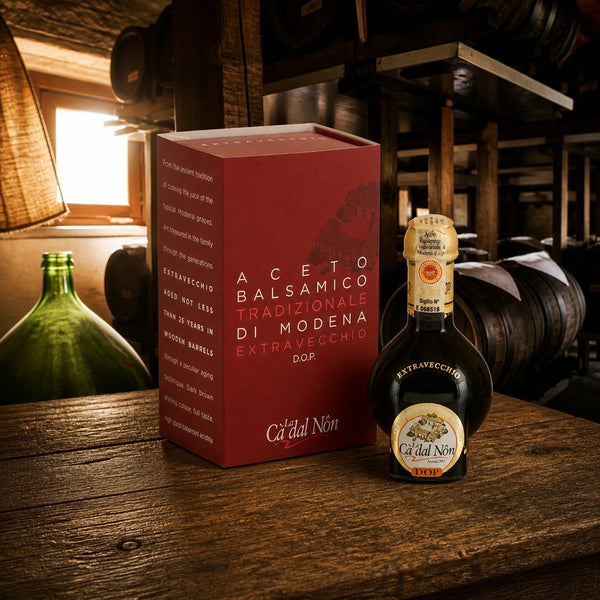
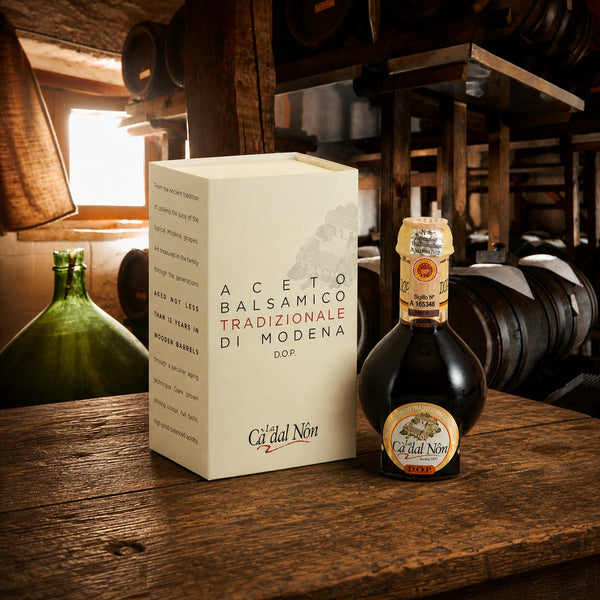
A few drops of aged balsamic are the modern flourish that takes it from rustic to memorable, deepening the sweetness of the tomatoes without turning the dish sweet. Like everything here, it works because it is restrained: bruschetta is a dish of a few excellent things, not many mediocre ones.
Why the balsamic matters
Against ripe tomato and grassy olive oil, a traditional aged balsamic adds a dark, sweet-savoury note that makes the whole thing taste richer and more considered. Because it is thick and syrupy straight from the bottle, you drizzle it as a finish, never cook or reduce it, and a little goes a long way. It is the difference between a good bruschetta and one people remember.
Ingredients
- 4 thick slices sourdough or a rustic country loaf
- 4 ripe tomatoes, at room temperature, deseeded and diced
- 1 clove garlic, halved, plus a little grated if you like it strong
- A handful of fresh basil, torn
- Extra virgin olive oil, for the tomatoes and the bread
- Aged balsamic vinegar, to finish
- Flaky sea salt and black pepper
Equipment
- A griddle pan, grill, or toaster
- A bowl and a sharp knife
Method
- Macerate the tomatoes. Toss the diced tomatoes with a good pinch of salt, a drizzle of olive oil, and the torn basil. Leave for ten minutes so the salt draws out the juices and seasons them through.
- Grill the bread. Griddle or toast the sourdough until it has dark, crisp bars and a little char at the edges. The crunch is the whole point; soft bread goes soggy.
- Rub with garlic. While the bread is hot, rub each slice with the cut side of the garlic clove. The rough toasted surface grates the garlic into the bread.
- Assemble and finish. Spoon the tomatoes and their juices onto the bread, add black pepper, then finish each with a thread of aged balsamic and a last drizzle of olive oil. Serve at once.
Chef's notes and common mistakes
- Season the tomatoes early. The ten-minute salting is what turns raw tomato into a proper topping, drawing out sweet juices that soak just into the surface of the bread.
- Assemble at the last minute. Topped too early, the bread goes soft. Grill, top, and serve within a couple of minutes.
- Char is flavour. Take the bread further than you think, right to the edge of burnt at the corners. The bitterness balances the sweet tomato and balsamic.
- Room-temperature tomatoes. Cold from the fridge, tomatoes are mealy and flavourless. Warmth is where their sweetness lives.
Variations
Top with a torn ball of burrata or mozzarella before the tomatoes for a more substantial plate. Other classic bruschetta toppings take balsamic just as well: sauteed mushrooms, white beans mashed with garlic, or grilled peppers. A scatter of Parmigiano shavings adds savoury depth. In autumn, swap tomatoes for roasted squash with balsamic and sage.
Make ahead and storage
The tomato topping can be made an hour or two ahead and kept at room temperature; it only improves as it sits. Do not refrigerate it, which kills the flavour. Grill the bread and assemble only at the moment of serving. Leftover topping is excellent stirred through pasta or spooned over grilled fish the next day.
Serving and pairing
Serve bruschetta as an antipasto with a glass of cold white or a spritz, or as a light lunch with a green salad alongside. It is party food at its easiest: set out a board of grilled bread and bowls of topping and let people build their own. A chilled Vermentino or a dry rose is the natural partner to all that tomato and oil.