Salmon roe, also known as ikura, salmon caviar, or red caviar, is the vibrant, briny, and nutrient-rich eggs of salmon. With varieties ranging from the large, firm Keta roe to the delicate Gorbuscha and Coho roe, each type offers a distinct flavour, texture, and visual appeal. Rich in omega-3s, protein, and essential minerals, salmon roe is as nutritious as it is luxurious. From sushi and canapés to pasta, salads, and eggs, salmon roe elevates simple dishes into refined culinary experiences, making it a staple for both home cooks and gourmet chefs.
Salmon roe has long been celebrated in Japanese, Russian, and North American cuisines, and its appeal is spreading globally. Whether sprinkled over sushi, stirred into creamy dishes, or enjoyed on toast, salmon roe offers both sensory delight and nutritional benefits, making it a luxury that is surprisingly adaptable in the kitchen.
What Is Salmon Roe?
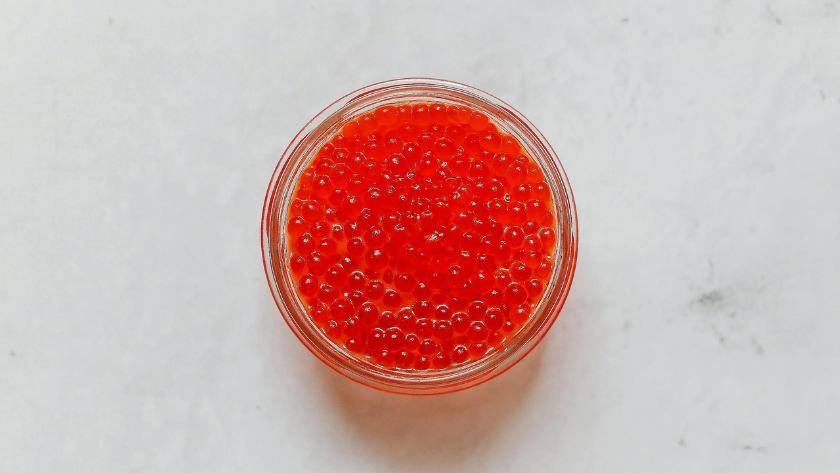
Salmon roe is the unfertilised eggs of salmon, harvested before spawning. Each egg is encased in a thin membrane that provides a gentle resistance before the egg bursts, releasing its liquid gold.
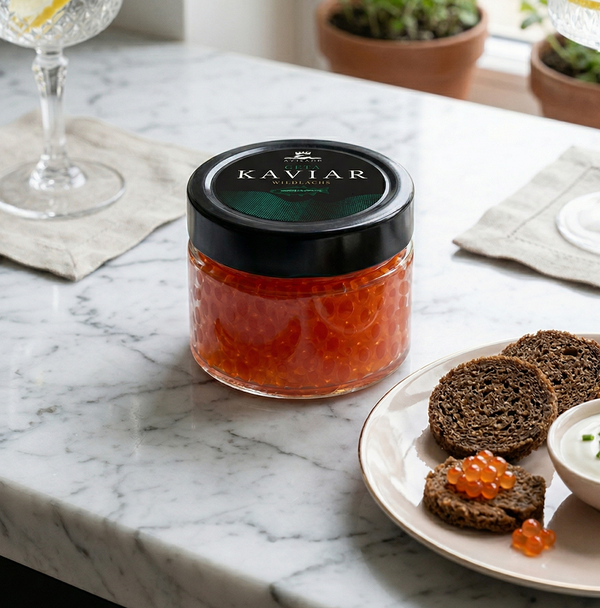
These eggs are collected unfertilised from various salmon species, then washed, graded, and lightly salt-cured, ready for sale. While most often used in sushi, salmon roe can also be enjoyed atop crackers, pancakes, flatbreads, salads, or eaten on its own in small amounts.
Unlike processed fish roes or pressed products, salmon roe is prized for its natural texture and briny sweetness. Its flavour is clean and oceanic, making it ideal as both a garnish and a main ingredient.
A Brief History
Salmon roe has been a treasured delicacy for centuries, particularly in regions where salmon are abundant. In Japan, it is known as ikura and has long been used in sushi and festive dishes. In Russia, krasnaya ikra has been considered a luxurious treat, traditionally served on blinis or buttered bread during celebrations.
Historically, salmon roe was valued for both preservation and nutrition. Its popularity spread through trade and culinary exchange, eventually becoming a symbol of refined cuisine. Today, salmon roe is celebrated globally, blending ancient traditions with modern culinary innovation.
How Salmon Roe Is Harvested and Prepared
The process of preparing salmon roe is delicate, requiring care to preserve both texture and flavour:
- Harvesting: Roe sacs are carefully removed from mature salmon, ensuring the eggs are fully developed yet unfertilised.
- Cleaning: Membranes and impurities are removed gently to protect the eggs.
- Brining: Eggs are lightly cured in salt or brine to enhance flavour while retaining their signature pop. Some preparations include mild seasoning such as soy sauce or sake.
- Packaging: High-quality roe is stored cold and sealed, maintaining freshness, colour, and texture.
The quality of the roe is influenced by whether the salmon is wild-caught or farmed. Wild-caught salmon often produce eggs with a richer, more complex flavour due to the fish’s natural diet and environment, while farmed salmon offer a consistent supply and sustainability, though with slightly different taste and texture.
Types of Salmon Roe

Salmon roe differs in size, flavour, and texture depending on the species:
- Keta Salmon Roe (Oncorhynchus keta): Also known as chum salmon roe, Keta roe is highly prized for its large eggs, typically 5–7 mm in diameter, bright orange colour, and firm texture. Each egg produces a satisfying “pop,” making it the gold standard of salmon caviar. Its flavour is bold yet balanced, ideal for both sushi and elegant garnishes.
- Gorbuscha Salmon Roe (Oncorhynchus gorbuscha): Commonly known as pink salmon, Gorbuscha roe is slightly smaller, averaging 4–5 mm, with a delicate light-orange colour and subtle flavour. Its mild taste and soft texture make it an excellent choice for those new to salmon roe.
- Coho Salmon Roe (Oncorhynchus kisutch): Coho roe has medium-sized, deep reddish-orange eggs with a softer texture. It offers a slightly acidic, delicate flavour that elevates gourmet dishes.
- Sockeye Salmon Roe (Oncorhynchus nerka): Known for its deep red eggs and strong, rich flavour, Sockeye roe is often sourced from wild-caught North Pacific salmon. Its intense taste pairs beautifully with simple accompaniments.
- Trout Roe (Salmo trutta / Oncorhynchus mykiss): Though technically not salmon roe, trout roe is similar in appearance and culinary use. Smaller (2–4 mm), golden-orange eggs with a more intense salty flavour are popular in everyday cooking.
Each variety offers a unique experience, allowing chefs and enthusiasts to select roe that best suits their taste and presentation needs.
Taste, Texture, and Culinary Appeal
Salmon roe is celebrated for its sensory qualities:
- Flavour: Briny, subtly sweet, and umami-rich with hints of the ocean
- Texture: Firm yet delicate, producing a satisfying “pop” when bitten
- Visual appeal: Bright orange to deep red eggs enhance the presentation of any dish
Begin with a small amount on a neutral vessel, such as a lightly toasted bread or blini. The roe should be served cold, but not ice-cold, to fully appreciate its nuanced flavours. Traditional beverage pairings include chilled vodka or crisp, dry champagne, while sparkling water or cold green tea are excellent non-alcoholic options.
How to Use Salmon Roe

Salmon roe is versatile and can be enjoyed in many ways:
- Sushi and sashimi: Served atop rice, inside rolls, or as part of nigiri
- Canapés and starters: Spread on blinis, toast, or crackers with cream cheese, avocado, or butter
- Pasta and grains: Added at the end of cooking to release its full flavour
- Salads: Sprinkled over greens or seafood salads for visual and flavour contrast
- Egg dishes: Garnish scrambled eggs, omelettes, or soft-boiled eggs for richness
- Seafood pairings: Complements scallops, crab, and smoked fish, highlighting the oceanic flavour
Nutrition, Health Benefits, Storage, and Buying Tips
Salmon roe is packed with essential nutrients: vitamins A, B12, D, folate, selenium, phosphorus, choline, and antioxidants such as astaxanthin, which support brain health, liver function, heart health, and skin elasticity. High in protein and low in calories, it is ideal for maintaining muscle mass while supporting overall wellness. Omega-3 fatty acids reduce inflammation, support cardiovascular health, and contribute to cognitive function.
Storage:
- Keep refrigerated in a sealed container
- Consume within a few days after opening
- Avoid freezing, which can compromise texture and flavour
Buying Tips:
- Choose firm, glossy eggs with consistent colour
- Prefer wild-caught roe for richer flavour
- For marinated varieties, ensure brining is light to avoid overpowering the natural taste
- High-quality roe should have a clean, oceanic aroma and a delicate “pop”
Conclusion
Salmon roe is a luxurious, versatile, and nutrient-rich ingredient that brings colour, flavour, and elegance to any dish. From the bold, firm Keta roe to the delicate Gorbuscha and gourmet Coho varieties, each type offers a unique culinary experience. Beyond its taste and texture, salmon roe offers a sensory and cultural journey, connecting diners to centuries of tradition while providing substantial health benefits. Whether enjoyed atop sushi, pasta, eggs, or canapés, salmon roe combines history, art, and nutrition in every bite.