
Before the crisps and the blinis, there was toast. Warm, crisp toast points spread with good butter and topped with caviar are the oldest and arguably the finest way to serve it: a plain, buttery, crunchy base that gets out of the way and lets the caviar speak. There is a reason it has never gone out of fashion. When the caviar is excellent, it needs almost nothing, and toast with butter is almost nothing done beautifully.
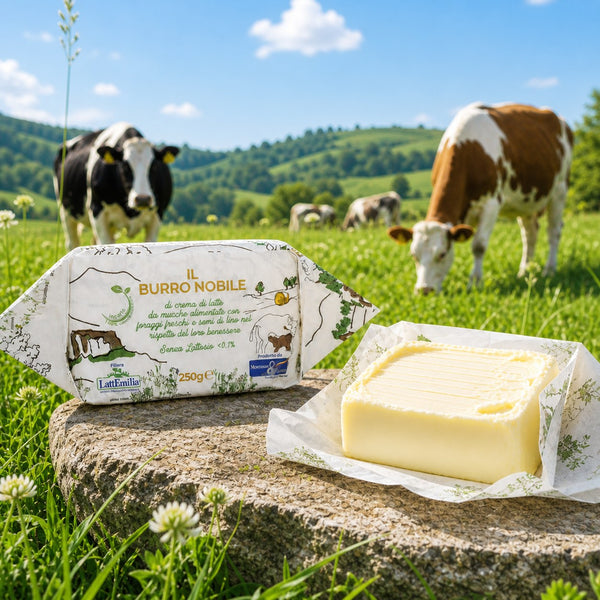
The two things to get right are the toast and the butter. The toast should be thin, properly crisp, and cut into neat triangles with the crusts removed; the butter should be the best you can find, softened to a spreadable cream and slipped under the caviar, where its richness flatters the brine.
Why the caviar matters
This is caviar with nowhere to hide. With only toast and butter around it, the pearls are the entire flavour, so quality is everything. A fine Oscietra or a tasting selection lets you appreciate the nutty, briny character that cheaper roe cannot match. Keep it cold until the moment of serving, spoon it with mother-of-pearl or bone rather than metal, and be generous: this is the dish to show a good caviar at its best.
Ingredients
- 4 slices good white bread, such as sourdough or pain de mie
- Good unsalted butter, softened, plus a little for the herb butter
- 1 tablespoon finely chopped chives or dill, optional
- 30 to 50g caviar
- Lemon wedges, to serve
- Flaky sea salt, optional
Equipment
- A toaster or grill
- A sharp serrated knife
- A mother-of-pearl or bone spoon, if you have one
Method
- Make the herb butter. If using, beat the softened butter with the chopped chives or dill and a tiny pinch of salt until smooth. Otherwise simply have good butter soft and ready.
- Toast and trim. Toast the bread until golden and crisp. While warm, cut off the crusts and slice each piece into four neat triangles.
- Butter generously. Spread each warm toast point with a good layer of the butter, so it half melts into the surface.
- Top with caviar. Using a mother-of-pearl or bone spoon, place a generous pearl of caviar on each toast point. Serve at once, with lemon wedges alongside.
Chef's notes and common mistakes
- Butter under the caviar. The butter goes on the warm toast, the caviar on top of the butter, never the other way round. The butter is the cushion for the pearls.
- Serve warm and crisp. Toast points soften as they sit, so butter, top, and serve straight away.
- Go easy on the lemon. A wedge on the side is traditional, but too much juice overwhelms fine caviar. Let each person add a drop if they wish.
- Do not over-garnish. With good caviar, restraint is the whole point. Toast, butter, caviar, done.
Variations
Add a thin layer of creme fraiche under the caviar for extra richness, or a whisper of lemon zest in the butter. A tasting set of different caviars served across a plate of toast points makes an elegant flight for guests to compare. Blinis or thin oatcakes can stand in for the toast.
Make ahead and storage
The herb butter can be made a day or two ahead and kept in the fridge; bring it back to soft, spreadable temperature before using. The toast, however, must be fresh and warm, so make it at the last minute. Assemble only just before serving, as buttered toast softens quickly and caviar should go from cold storage straight to the plate.
Serving and pairing
Serve as a refined opening to a special meal, a small plate of toast points with a bowl of caviar on ice for guests to help themselves. The classic accompaniment is ice-cold Champagne or chilled vodka, whose crispness and cold match the brine perfectly. It is the most traditional caviar service there is, and still the most quietly luxurious.